
역대 최고의 토너먼트 고수 2인이 분석한 Doug Polk의 MTT 핸드 4선
📄 한국어 번역
역대 최고의 토너먼트 플레이어 두 명이 분석한 Doug Polk의 MTT 핸드 4가지
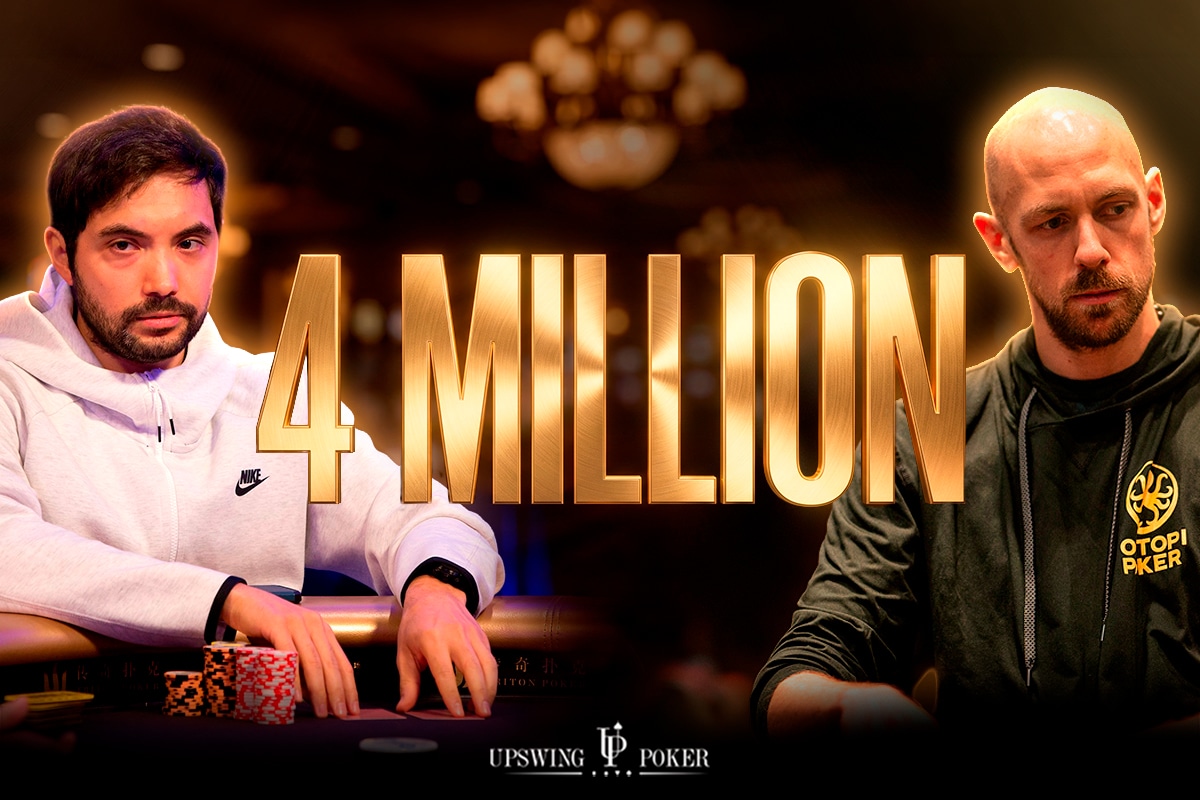
Doug Polk는 Upswing Poker를 설립했지만, 여전히 헤즈업 캐시 게임 스페셜리스트로 가장 잘 알려져 있습니다. 바로 그 점이 $125k Triton 메인 이벤트에서 나온 그의 핸드들을 더욱 흥미롭게 만듭니다.
Timothy Adams와 Daniel Dvoress가 제작하고 Stephen Chidwick이 참여한 새로운 MTT 코스인 'Modern Tournament Mastery'에는 Doug가 여러분이 상상할 수 있는 가장 강력한 필드들을 상대로 고압적인 토너먼트 상황을 헤쳐 나가는 몇 가지 핵심적인 장면들이 담겨 있습니다. 이번 영상에서 Timothy와 Stephen Chidwick은 Chidwick 본인이 직접 테이블에 있었던 상황들을 분석합니다.
이것은 단순히 차트를 암기하는 것이 아닙니다. 무엇이 실제로 박빙의 결정을 한쪽으로 기울게 만드는지 이해하는 것에 관한 내용입니다.
코스에서 가장 교훈적인 Doug Polk의 핸드들을 살펴보겠습니다. 내용은 다음과 같습니다.
목차
멀티웨이 상황에서의 에이스-킹
임계값 알기: 포켓 8 폴드하기
작은 3-벳, 큰 의미: 버튼에서의 에이스-잭
블라인드 vs 블라인드: 스몰 블라인드에서 킹-텐 잼
1. 멀티웨이 상황에서의 에이스-킹
Doug는 평균 스택 정도를 보유한 상태에서 언더 더 건(UTG)으로 오픈합니다.
즉시 상황이 어색해집니다.
Dan Smith는 로우잭(LJ)에서 28bb를 가지고 9h 9c를 내려다보고 있는데, Adams는 이 상황이 얼마나 불편한지 지적합니다. 많은 ICM 솔버에서 이곳은 플랫 콜을 거의 하지 않으며, 아예 하지 않는 경우도 많습니다. 88, 99, AQ, KQ 같은 핸드들은 종종 3-벳을 하거나 폴드하는 접근 방식을 취하게 됩니다.
하지만 Adams는 단순히 그것을 맹목적으로 따르지는 않습니다.
아직 22명의 선수가 남아 있고, 이 단계에서는 페이 점프(상금 격차)가 작습니다. Dan은 아직 심각한 압박을 받고 있지 않습니다. 그리고 가장 중요한 것은, 그가 솔버가 아닌 사람들을 상대로 플레이하고 있다는 점입니다.
실전에서 플랫 콜은 이론보다 더 잘 작동합니다. 뒤에 있는 플레이어들이 스퀴즈를 충분히 하지 않고, 포스트플랍 플레이가 완벽하지 않기 때문에, 결과적으로 평형 상태(equilibrium)가 예상하는 것보다 더 많은 에퀴티를 실현하게 됩니다.
어쨌든 Dan은 3-벳을 선택했고, 상황은 빠르게 고조됩니다.
Brian Rast가 Qc Qh를 확인하고 잼을 합니다. 다시 Doug에게 차례가 돌아옵니다.
많은 일이 벌어지고 있지만, 이 상황은 간단합니다. 에이스-킹 수딧은 폴드하기엔 너무 좋은 핸드입니다.
Doug는 콜을 하고, Dan은 빠지며, 리버에 에이스가 떨어집니다. Doug는 거대한 팟을 가져가고 Rast를 탈락시킵니다.
2. 임계값 알기: 포켓 8 폴드하기
Nick Schulman이 오픈하고, Matthias Eibinger가 ~20bb로 잼을 했으며, Doug는 스몰 블라인드에서 8c 8d를 들고 있습니다. 언뜻 보기에는 콜처럼 느껴집니다. 8은 강한 핸드이고, Eibinger는 충분히 넓은 레인지로 잼을 할 수 있는 능력이 있기 때문입니다.
하지만 Adams와 Chidwick 모두 같은 결론에 도달합니다. 이 상황은 딱 경계선에 있다는 것입니다. AQ이나 99 같은 핸드들은 확실한 콜입니다. AJs나 88은 상황이 까다로워지는 지점입니다.
가장 큰 문제는 Doug가 액션을 마무리하는 위치가 아니라는 점입니다.
만약 그가 콜을 하면, Schulman이 다시 리-잼(reshove)을 할 수 있습니다. Doug는 큰 칩을 투자한 뒤 폴드해야 하거나, 원치 않는 상황에서 훨씬 더 많은 칩을 커밋하게 될 수도 있습니다. 그 사실 하나만으로도 이런 경계선상의 핸드들은 가치가 떨어집니다.
그다음 조금 더 넓게 보고 전체적인 상황을 살펴봅시다.
Doug는 이미 파이널 테이블이 가까워진 상황에서 훌륭한 스택을 보유하고 있으며, 그것은 중요합니다. 칩을 더 따는 것도 좋지만, 여기서는 칩을 잃는 것이 칩을 따는 것보다 훨씬 더 치명적입니다.
이것이 바로 솔버가 깔끔하게 포착할 수 없는 부분입니다. 상황이 확실히 좋다면 콜을 하면 됩니다. 하지만 박빙이라면, 이때부터는 패스하기 시작해야 합니다.
Doug는 꽤 빠르게 폴드하는데, Adams는 이를 날카로운 판단이라고 평가합니다. Eibinger는 나중에 9d 9h를 보여주었기에 결과론적으로는 훌륭해 보이지만, 요점은 그게 아닙니다.
이 핸드는 자신의 임계값을 이해하는 것, 즉 언제 계속할지(continue)와 언제 포기할지를 아는 것에 대한 훌륭한 예시입니다.
3. 작은 3-벳, 큰 의미: 버튼에서의 에이스-잭
20명이 남은 상황에서, Doug는 버튼에서 As Jd를 들고 있고 Chidwick의 로우잭 오픈을 마주합니다.
Adams는 자신이라면 대부분 플랫 콜을 했을 것이라고 말합니다. 상황을 단순하게 유지하고 팟을 키우지 말라는 것입니다. Doug는 다른 방식을 택해 약 6bb 정도로 작게 3-벳을 합니다.
이 작은 3-벳은 Doug의 전반적인 프리플랍 전략에 대해 많은 것을 알려줍니다.
대부분 플랫 콜을 한다면, 3-벳은 더 커지고 폴라라이즈(polarized)되는 경향이 있습니다. Doug의 작은 사이징은 그가 대신 더 자주 3-벳을 하며, 더 리니어(linear)한 레인지를 사용하고 있음을 시사합니다.
Chidwick은 콜을 하고, 플랍은 8c 7d 6h로 깔립니다. Doug에게는 정말 좋지 않은 보드입니다. Chidwick은 모든 페어와 커넥티드 핸드들을 가지고 있는 반면, Doug는 미스한 하이 카드들을 많이 가지고 있습니다. 게다가 ICM은 Doug의 레인지를 그러한 하이 카드 핸드 쪽으로 더 치우치게 만드는 경향이 있습니다.
Chidwick은 Doug가 가진 바로 그 핸드들을 타겟으로 삼아 리드 벳을 합니다.
Doug는 폴드합니다.
결과에 큰 의미는 없지만, 자신의 프리플랍 전략(그리고 그에 따른 레인지)이 특정 보드에서 즉각적으로 드러난다는 것을 잘 보여주는 예시입니다. 이 보드가 바로 그런 경우입니다.
4. 블라인드 vs 블라인드: 스몰 블라인드에서 킹-텐 잼
Doug는 스몰 블라인드에서 Kc Td로 약 20bb를 오픈 잼합니다. Dan Smith는 빅 블라인드에서 Qh Th를 들고 있습니다.
언뜻 보기에는 표준적인 플레이처럼 보입니다. 하지만 Adams는 이것이 어떻게 작동하는지 파고듭니다.
이 정도 스택 깊이에서 스몰 블라인드 레인지는 단순히 "괜찮은 핸드로 잼하는 것"이 아닙니다. 구조화되어 있습니다. 빅 블라인드가 자신의 많은 레인지로 무관심하게(indifferent) 대응하게 만들려면, 그 안에 더 약하고 중간 정도인 핸드들이 섞여 있어야 합니다.
T9o, Q5s 및 기타 중간 정도의 콤보들이 믹스에 포함되어야 합니다. 그것들은 더 좋은 핸드들을 폴드하게 만들고 전체적인 전략이 작동하게 합니다.
만약 그런 핸드들이 없다면 레인지가 너무 강해지고, QTs 같은 핸드들은 오히려 더 나쁜 성과를 냅니다. Doug는 주로 토너먼트 플레이어가 아니기 때문에, Dan 입장에서는 그런 핸드들이 실제로 그의 레인지에 포함되어 있는지조차 불분명합니다.
Adams는 심지어 KT 오프수딧이 순수한 잼이 아닐 수도 있다고 제안합니다. 상황에 따라 림프나 작은 레이즈를 선호할 수도 있다는 것입니다.
그다음 더 큰 그림이 있습니다.
만약 Dan이 리드로우(redraw) 이후에 더 쉬운 상황이 올 것이라고 예상한다면, 폴드하는 것이 더 매력적으로 보일 것입니다. 만약 그가 이 라인업과 계속 싸워야 하는 상황이라면, 지금 승부를 봐야 할 수도 있습니다.
결국 그는 콜을 하고, 도미네이트된 상황을 마주하며 탈락합니다.
정말 잔인한 상황이며, 이 코스에서 시간을 할애하여 다루는 바로 그런 종류의 결정입니다.
더 큰 교훈
이 핸드들을 통틀어
📰 Original (English)
Skip to content
Now Powered By
Play Online
Now Powered By
Play Online
Four Doug Polk MTT Hands Reviewed by Two of The Best Tournament Players Ever
Doug Polk built Upswing Poker, but he’s still best known as a heads-up cash game specialist. That’s what makes his hands from this $125k Triton Main Event so interesting.
In Modern Tournament Mastery , the new MTT course from Timothy Adams and Daniel Dvoress featuring Stephen Chidwick, several key spots feature Doug navigating high-pressure tournament situations against one of the toughest fields you’ll ever see. In the video you’ll watch, Timothy and Stephen Chidwick analyze some of these spots where Chidwick himself was at the table.
This isn’t about memorizing charts. It’s about understanding what actually pushes close decisions one way or the other.
Let’s get into the most instructive Doug Polk hands from the course. They are as follows:
Table of Contents Ace-King in a Multiway Collision
Knowing Your Thresholds: Folding Pocket Eights
Small 3-Bets, Big Implications: Ace-Jack on the Button
Blind vs Blind: Small Blind Jam with King-Ten
Early Access Bonus
New MTT Course
Join the early list and get a free course on advanced high roller mechanics when you purchase.
Learn More
1. Ace-King in a Multiway Collision
Doug opens under the gun with As Ks at around an average stack.
Immediately, things get awkward.
Dan Smith looks down at 9h 9c in the Lowjack with 28bb, and Adams points out how uncomfortable this spot is. In a lot of ICM solves, you don’t see much flatting here, sometimes none at all. Hands like 88, 99, AQ, and KQ often end up taking a 3-bet-or-fold approach.
But Adams isn’t just blindly following that.
There are still 22 players left, and pay jumps are small at this stage. Dan isn’t under serious pressure yet. And most importantly, he’s playing people, not a solver.
In practice, flatting works better than it should. Players behind don’t squeeze enough, and postflop isn’t played perfectly, so you end up realizing more equity than equilibrium expects.
Dan goes for the 3-bet anyway, and things escalate fast.
Brian Rast wakes up with Qc Qh and jams. It folds back to Doug.
There’s a lot going on, but this one’s simple: Ace-King suited is too good to fold.
Doug calls, Dan gets out of the way, and an Ace rolls off on the river. Doug scoops a huge pot and knocks Rast out.
2. Know Your Thresholds: Folding Pocket Eights
Nick Schulman opens, Matthias Eibinger jams ~20bb, and Doug is in the Small Blind with 8c 8d . At first glance, this feels like a call. Eights are strong, and Eibinger is definitely capable of jamming wide enough.
But Adams and Chidwick both land in the same place: this is right on the line. Hands like AQ and 99 are clear continues. AJs and 88 are where it gets dicey.
The biggest issue is that Doug isn’t closing the action.
If he calls, Schulman can still reshove. Doug might have to fold after putting in a big chunk, or end up committing way more than he wants. That alone makes these borderline hands worse.
Then you zoom out a bit, and take a look at the big picture.
Doug already has a great stack with the final table getting closer, and that matters. It’s nice to win more chips, but losing chips here is more punishing than winning them is valuable.
That’s the kind of thing a solver can’t really capture cleanly. If a spot is clearly good, you take it. If it’s close, this is where you start passing.
Doug folds pretty quickly, which Adams calls out as sharp. Eibinger later shows 9d 9h , so it looks great in hindsight, but that’s not the point.
This hand is a great example of understanding your thresholds: when to continue and when to let it go.
3. Small 3-Bets, Big Implications: Ace-Jack on the Button
With 20 left, Doug is on the Button with As Jd facing a Lowjack open from Chidwick.
Adams says he’d mostly flat here. Keep things simple, avoid inflating the pot. Doug goes the other way and 3-bets small to about 6bb.
The small 3-bet tells you a lot about Doug’s overall preflop strategy.
If you’re mostly flatting, your 3-bets tend to be bigger and more polarized . Doug’s small sizing suggests he’s just 3-betting more often instead, with a more linear range.
Chidwick calls, and the flop comes 8c 7d 6h . This is a really bad board for Doug. Chidwick has all the pairs and connected stuff, while Doug has a lot of high cards that just missed. On top of that, ICM tends to pull Doug’s range even further toward those high-card hands.
Chidwick leads, targeting exactly the kind of hands Doug has here.
Doug folds.
Not much to the result, but it’s a good reminder that your preflop strategy (and the range that comes with it) shows up immediately on certain boards. This is one of them.
4. Blind vs Blind: Small Blind Jam with King-Ten
Doug open-jams from the Small Blind with Kc Td for around 20bb. Dan Smith is in the Big Blind with Qh Th .
At a glance, this looks standard. But Adams digs into how this works.
At these stack depths, Small Blind ranges aren’t just “jam your decent hands.” They’re structured. You need some weaker, middling hands in there to make the Big Blind indifferent with a lot of their range.
Hands like T9o, Q5s, and other middling combos are supposed to be part of the mix. They fold out better hands and make the overall strategy work.
If those hands aren’t there, the range becomes too strong, and hands like QTs perform worse. Because Doug isn’t primarily a tournament player, it’s not clear to Dan whether those hands are even in his range.
Adams even suggests that KT offsuit might not be a pure jam . It could prefer a limp or small raise depending on the setup.
Then there’s the bigger picture.
If Dan expects softer spots after a redraw, folding becomes more appealing. If he’s stuck battling this lineup, he may need to take the edge now.
He ends up calling, runs into domination, and is out.
It’s a brutal spot, and exactly the kind of decision this course spends time on.
The Bigger Takeaway
Across these hands, Doug:
Wins a huge pot with AKs
Finds a disciplined fold with 88
Takes a linear preflop approach with AJo
Puts real pressure on the Big Blind with a Small Blind jam
But the real value here isn’t the outcomes.
It’s how Adams and Chidwick think through the spots.
They start with a baseline, figure out how close the decision really is, and then adjust based on what actually matters in the moment.
Stack sizes, future spots, who’s left in the field, how people really play: those are the things that push a decision one way or the other.
That’s the gap between knowing the “right” play and actually playing well in tournaments, and that’s exactly what this course is trying to close.
Early Access Bonus
New MTT Course
Join the early list and get a free course on advanced high roller mechanics when you purchase.
Learn More
Related Posts
How to Make Profitable Decisions Against Any Bet Size (Minimum Defense Frequency vs Pot Odds)
By Dan B. | August 3, 2018
Why The Very Best Poker Players Make Decisions At Random (Mixed Strategy)
By George Mathias | August 11, 2017
How to Beat the Guy Who Is Always Betting — Countering an Aggressive Poker Strategy
By Dan B. | July 24, 2018
This Poker “Cheat Code” Will Help You Win More Hands
By Mike Brady | February 8, 2019
Why 5♠ 4♠ is Better Than 9♠ 8♠ (And How That Should Impact Your Strategy)
By Dan B. | February 11, 2020
5 Advanced Poker Strategies & Tips To Supercharge Your Poker Wins
By Dan B. | June 2, 2020
What Is Equity Distribution & Why Does It Matter?
By Dan B. | February 23, 2021
What is the Poker Game Tree & Why Does It Matter?
By Dan B. | June 2, 2021
How to Make Profitable Decisions Against Any Bet Size (Minimum Defense Frequency vs Pot Odds)
By Dan B. | August 3, 2018
Why The Very Best Poker Players Make Decisions At Random (Mixed Strategy)
By George Mathias | August 11, 2017
How to Beat the Guy Who Is Always Betting — Countering an Aggressive Poker Strategy
By D
출처: upswing — https://upswingpoker.com/adams-chidwick-review-doug-polk-mtt-triton-hands/
원문 게시일: 2026-05-01