
더 많이 참여하고 더 많이 승리하라: PLO 토너먼트에서 살아남는 5가지 핵심 전략
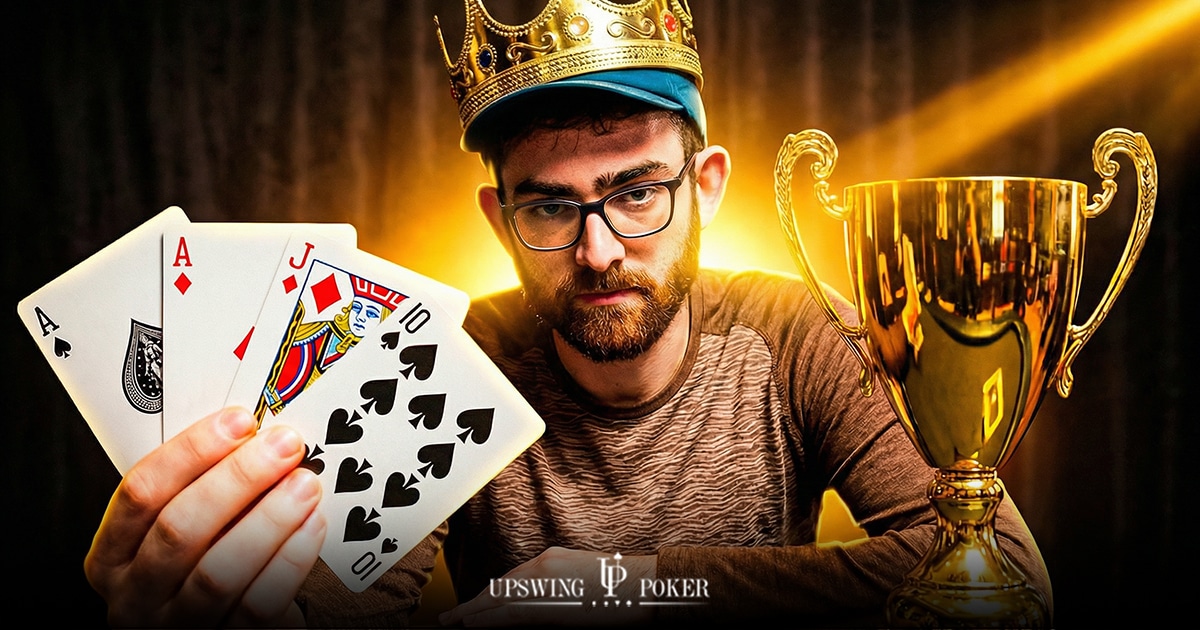
📄 한국어 번역
더 많은 핸드를 플레이하고, 더 많은 팟을 가져와라: PLO MTT 성공을 위한 5가지 팁
팟리밋 오마하(PLO) 토너먼트는 노리밋 홀덤(NLHE)과는 완전히 다른 게임입니다.
만약 당신이 기존의 NLHE 전략(타이트한 오픈, 제한적인 림프, 레인지 씨벳 등)을 그대로 가져온다면, 당신은 자신도 모르는 사이에 칩을 갉아먹히며 무참히 짓밟히게 될 것입니다. PLO MTT의 구조(레이크 없음, 빅 블라인드 앤티, 멀티웨이 팟, 더 높은 에퀴티 실현)는 게임이 어떻게 돌아가는지, 그리고 핸드를 어떻게 선정하고 플레이해야 하는지에 대해 완전히 다시 생각하게 만듭니다.
이 영상에서 Dylan Weisman은 가장 중요한 5가지 핵심 조정 사항을 제시합니다. 이것들을 완전히 자기 것으로 만든다면, 당신은 즉시 다른 플레이어들보다 앞서 나갈 수 있을 것입니다.
[영상 보기] 첫 PLO 토너먼트 우승하는 법
PLO 토너먼트 성적을 향상시키는 데 진심이라면, Dylan의 곧 출시될 'Crushing PLO Tournaments' 코스에서 이 개념들을 훨씬 더 깊이 있게 다룰 예정입니다. 지금 사전 등록을 하면 4월 20일 Upswing에서 공개될 때 바로 준비를 마칠 수 있습니다.
#1: 더 많은 핸드를 플레이할 수 있다
이것이 가장 큰 차이점이며, 대부분의 NLHE 플레이어들이 어려워하는 부분입니다. PLO 토너먼트에서는 단순히 훨씬 더 많은 핸드를 플레이할 수 있습니다.
여기에는 두 가지 주요 이유가 있습니다.
각 팟에서 떼어가는 레이크가 없습니다. 캐시 게임에서는 림프나 콜 같은 수동적인 액션은 플랍 이후 레이크를 지불해야 하므로 손해를 보게 됩니다. 하지만 토너먼트에서는 그 비용이 이미 바이인에 포함되어 있습니다. 이로 인해 마지널한 핸드들도 플레이할 가치가 생깁니다.
빅 블라인드 앤티는 팟 오즈를 엄청나게 개선해 줍니다. 이미 '데드 머니'가 깔려 있기 때문에 팟에 참여하는 것이 훨씬 매력적으로 변합니다.
이 두 가지 요소를 결합하면, 적절한 핸드로 림프를 하는 것이 충분히 유효한 전략이 됩니다. 림프와 팟 사이즈 레이즈를 섞어서 플레이하면, 레이즈만 하는 전략에 비해 팟 참여 빈도를 대략 30% 정도 더 높일 수 있습니다.
버튼 포지션에서는 VPIP를 60% 이상으로 끌어올릴 수 있습니다. 이는 그만큼 플레이하면 큰 손해를 보는 NLHE와는 엄청난 차이입니다.
빅 블라인드에서의 조정은 훨씬 더 극단적입니다. 포지션과 스택 깊이에 따라 종종 핸드의 60~70%를 방어하게 될 것입니다.
그렇다고 쓰레기 핸드로 무리하게 플레이하라는 뜻은 아닙니다. 멀티웨이 팟에서 좋은 성능을 내는 핸드들을 우선시하라는 의미입니다.
넛 수딧(Nut suits)
더블 수딧 핸드
커넥티드 구조
잠재력이 있는 포켓 페어
그리고 똑같이 중요한 점은, 너무 자주 '쿨러'를 당하는 핸드들은 피해야 한다는 것입니다. 많은 핸드를 플레이할 수 있지만, 플랍 이후 강력한 넛 에퀴티를 만들어낼 수 있는 핸드들로 범위를 좁혀야 합니다.
#2: 림핑 레인지를 구축해야 한다
PLO MTT에서 림프를 하지 않는다면, EV를 높일 기회를 놓치고 있는 것입니다.
림핑 레인지를 생각하는 가장 쉬운 방법은 다음과 같습니다.
3-벳을 상대하고 싶지는 않지만, 충분히 플레이할 가치가 있는 핸드들로 림프를 하십시오.
이런 핸드들은 다음과 같은 특징이 있습니다.
멀티웨이에서 플레이하기 좋다
단일 레이즈에 콜할 수 있다
프리플랍에서 에퀴티를 포기하고 싶지 않다
흔한 예시들:
수딧이 포함된 중간 커넥티드 핸드
사이드 카드가 괜찮은 A-하이 수딧 핸드
플랍에서 넛 에퀴티를 만들 수 있지만, 공격적인 상황에서는 버티기 힘든 핸드
여기에 두 번째 카테고리를 추가하십시오: 림프-3-벳입니다.
이것들은 당신의 가장 강력한 핸드들입니다. 예를 들면:
프리미엄 더블 수딧 브로드웨이 핸드
강력한 AAxx 콤보
넛 잠재력이 높은 커넥티드 핸드
이렇게 하면 림핑 레인지가 보호되어 상대에게 휘둘리지 않게 됩니다. 약한 핸드와 가장 강력한 핸드를 섞어두면, 상대가 마음대로 당신을 고립시킬 수 없으며, 당신의 약한 핸드들도 플랍 이후 에퀴티를 실현할 기회를 더 자주 얻게 됩니다.
결과적으로 당신의 레이즈 레인지 또한 더 탄탄하고 견고해지는데, 이는 당신의 레이즈가 전반적으로 더 강력해지기 때문입니다.
만약 림프를 섞고 프리플랍 플레이를 넓히는 이런 변화가 불편하게 느껴진다면, 그것은 정상입니다. 그리고 바로 그 지점이 대부분의 플레이어가 뒤처지는 이유이기도 합니다. Dylan은 자신의 코스인 'Crushing PLO Tournaments'에서 이 레인지들을 상세히 분석해주므로, 실전에서 감으로 플레이할 필요가 없습니다.
#3: 스택이 짧을수록 하이 카드 파워가 더 필요하다
PLO에서 스택 깊이는 모든 것을 바꿉니다.
스택이 깊을 때는 보드 커버리지와 강력한 플랍 이후 에퀴티가 중요합니다. 로우 보드, 중간 보드, 잘 연결된 보드 등 다양한 보드 텍스처와 연결될 수 있는 핸드를 원하게 됩니다.
하지만 스택이 짧아지면 이러한 요소들은 변합니다.
이제는 여러 스트리트를 운영할 여유가 없습니다. 복잡한 보드에서 에퀴티를 실현하려고 애쓰는 상황이 아닙니다. 종종 빠르게 스택을 걸고 승부를 보게 됩니다.
즉, 하이 카드의 힘이 훨씬 더 중요해진다는 뜻입니다.
그 이유는 하이 카드가 다음과 같은 역할을 하기 때문입니다:
탑 페어를 더 자주 만든다
더 약한 핸드들을 압도한다
올인 상황에서 더 좋은 성능을 낸다
반면, 작은 페어나 낮은 커넥티드 구조처럼 임플라이드 오즈에 의존하는 핸드들은 가치가 크게 떨어집니다. 그 잠재력을 실현할 만큼 스택이 충분하지 않기 때문입니다.
따라서 50bb에서는 VPIP를 할 수 있었던 핸드들도 20bb에서는 폴드해야 할 수 있습니다. 예를 들면:
낮은 런다운
약한 더블 페어
마지널한 수딧 콤보
그 대신 다음 핸드들을 우선시하십시오:
하이 카드
넛 수딧
강력하고 즉각적인 핸드를 만들 수 있는 카드
경험칙으로 기억하십시오: 스택이 짧을수록, 화려한 플레이는 줄여야 합니다.
#4: 모든 핸드로 씨벳(C-bet)하지 마라
홀덤에서 넘어왔다면 이 부분은 적응하는 데 시간이 좀 걸릴 것입니다.
홀덤에서는 특히 낮은 스테이크에서 많은 보드에 레인지 씨벳을 해도 통할 수 있습니다. 하지만 PLO에서 그런 접근 방식은 금방 대가를 치르게 됩니다. 플레이어들이 보드와 훨씬 더 자주 연결되기 때문입니다.
단순히 조합의 수가 많고, 드로우도 많으며, 어떤 텍스처와도 엮일 방법이 많습니다. 네 장의 카드를 가지고 있기 때문에, 상대는 거의 항상 '무언가'를 가지고 있습니다.
결과적으로, 어떤 핸드가 씨벳 대신 플랍에서 체크 백(check back)하기에 가장 좋은지 이해해야 합니다.
일반적인 버튼 대 빅 블라인드 싱글 레이즈 팟에서, 당신은 처음에 좋아 보이는 보드에서도 생각보다 훨씬 자주 체크 백을 하게 될 것입니다.
A-7-5 같은 A-하이 보드를 예로 들어봅시다.
홀덤이라면 특히 연구가 부족한 상대를 상대로 높은 빈도로 씨벳을 할 것입니다. 하지만 PLO에서는 그렇게 서두르지 마십시오.
빅 블라인드는 여전히 다음을 가지고 있습니다:
상당한 빈도의 Ax
투 페어와 셋
랩(Wrap)과 강력한 드로우
📰 Original (English)
Skip to content
Now Powered By
Play Online
Now Powered By
Play Online
Play More Hands, Win More Pots: 5 Tips for PLO MTT Success
Pot-Limit Omaha (PLO) tournaments are a completely different animal from No-Limit Hold’em.
If you try to carry over your standard NLHE strategy (tight opens, limited limping, range c-betting), you’re going to get run over and bleed chips in ways you’re not even aware of. The structure of PLO MTTs (no rake, big blind ante, multiway pots, higher equity realization ) forces you to rethink how the game works, and how hands are selected and played.
In this video, Dylan Weisman lays out five core adjustments that matter most. If you internalize these, you’ll be ahead of the pack immediately.
[WATCH] How To Win Your First PLO Tournament
If you’re serious about improving your PLO tournament results, Dylan’s upcoming Crushing PLO Tournaments course goes much deeper into these concepts. You can pre-register now and be ready when it drops on Upswing on April 20th.
#1: You Get to Play More Hands
This is the biggest difference, and it’s the one most NLHE players struggle with. In PLO tournaments, you simply get to play a lot more hands.
There are two main reasons for this:
There’s no rake taken from each pot. In cash games, passive actions like limping and calling get punished because you’re paying rake postflop . In tournaments, that cost is already baked into the buy-in. This makes marginal hands more playable.
The big blind ante massively improves your pot odds. There’s already dead money out there, so entering the pot becomes more attractive.
Combine those two factors, and suddenly limping becomes viable with the right hands. When you mix limps with pot-sized raises, you can enter the pot roughly 30% more often compared to a strict raise-only strategy.
On the Button, that can push your VPIP north of 60%. That’s a massive difference from NLHE, where playing that many hands would be an expensive mistake.
From the Big Blind, the adjustment is even more extreme. You’ll often be defending 60–70% of hands depending on position and stack depth.
That doesn’t mean you go crazy with trash. It means you prioritize hands that perform well in multiway pots:
Nut suits
Double-suited hands
Connected structures
Pocket pairs with upside
And just as importantly, you avoid hands that get coolered too often. You get to play a lot of hands, but keep it to the ones that can generate powerful and nutted equity postflop.
#2: You Need to Build a Limping Range
If you’re not limping in PLO MTTs, you’re missing out on opportunities to boost your EV.
Here is the easiest way to think about your limping range:
Limp hands that don’t want to face a 3-bet, but are still strong enough to play.
These are hands that:
Play well multiway
Can call a single raise
Don’t want to get blown off their equity preflop
A few common examples:
Medium connected hands with suits
A-high suited hands with decent side cards
Hands that can flop nutted equity but aren’t robust vs aggression
Then you layer in a second category: limp-3-bets.
These are your strongest hands. Think:
Premium double-suited Broadway hands
Strong AAxx combos
High connectivity with nut potential
This protects your limping range so it doesn’t get run over. When your weaker hands are coupled with your strongest hands, your opponents can’t simply isolate you with impunity, and your weak hands get to realize their equity postflop more often.
Finally, your raising range becomes more robust and resilient, because your raises are stronger in general.
If this shift toward limping and wider preflop play already feels uncomfortable, that’s normal—and it’s exactly where most players fall behind. Dylan breaks down these ranges in detail in his course, Crushing PLO Tournaments , so you’re not guessing in real time.
#3: The Shorter the Stack, the More High Card Power You Need
Stack depth changes everything in PLO.
At deeper stacks, you care about board coverage and strong postflop equity. You want hands that can connect with a wide variety of textures: low boards, middling boards, coordinated runouts.
However, these factors change as stacks get shorter.
Now you don’t have the luxury of navigating multiple streets. You’re not trying to realize equity across complex runouts. You’re often playing for stacks quickly.
That means high card strength becomes far more important.
This is because high cards:
Make top pair more often
Dominate weaker holdings
Perform better in all-in scenarios
Meanwhile, hands that rely on implied odds, like small pairs or low connected structures, lose a lot of value. There just isn’t enough stack depth to realize their upside.
So hands that might be clear VPIPs at 50bb can become folds at 20bb, such as:
Low rundowns
Weak double pairs
Marginal suited combos
In their place, you prioritize:
High cards
Nut suits
Hands that can make strong, immediate holdings
As a rule of thumb: the shorter the stack, the less fancy you need to get.
#4: Don’t C-Bet Every Hand
If you’re coming from NLHE, this one is going to take some getting used to.
In Hold’em, you can get away with range c-betting on a lot of boards, especially at lower stakes. In PLO, that approach gets punished quickly. This is because players connect with the board far more often.
There are simply more combinations, more draws, and more ways to interact with any given texture. With four cards, your opponent almost always has something .
As a result, you need to understand what hands play best as check backs on the flop instead of c-bets.
In a standard Button vs Big Blind single-raised pot, you’ll often be checking back more often than you think, even on boards that look favorable at first glance.
Take an A-high board like A-7-5.
In NLHE, you’d expect to c-bet at a high frequency, especially against opponents who are not particularly studied. In PLO, not so fast.
The Big Blind still has:
Ax at a reasonable frequency
Two pair and sets
Wraps and strong draws
Meanwhile, you’ll have plenty of hands that don’t want to face a check-raise:
Medium-strength pairs
Weak Ax
Hands with limited backdoor potential
Those hands are better served by checking.
On the flip side, you bet hands that:
Benefit from fold equity
Have strong backdoor equity
Don’t mind folding if raised
There’s also a second layer here: board texture.
On low, connected boards (like J-4-3), the Big Blind can actually have the range advantage and lead into you. They simply have more strong hands and draws available. And on those boards where the Big Blind has donk bets, you actually want to c-bet even less often.
#5: You Should Rarely Bet Full Pot
This is another major leak for transitioning players. In PLO, just because “pot” is in the name, pot-sized bets are not your default. They’re a tool, and a fairly specific one.
At higher stack depths, potting the flop is often a mistake. This is because it narrows your opponent’s range too much. You’re essentially forcing them to continue only with strong hands, which reduces your ability to maneuver on later streets.
Instead, smaller sizes are almost always selected:
~25% on static boards (paired, monotone)
~50% on many unpaired textures
Even smaller in multiway pots
These sizes allow you to:
Keep ranges wider
Realize equity more efficiently
Maintain flexibility across turns and rivers
The main exception is at lower stack depths (around 20bb), where pot-sized bets become more viable—especially on dynamic boards.
In those spots, you’re often looking to rush money into the pot to deny equity and realize your own equity. Potting allows you to do that.
But even then, it’s not an “always” button. You’re still mixing in smaller sizes depending on the situation. If your current strategy involves potting frequently just because “it’s POT Limit Omaha,” that’s a leak.
Final Thoughts
PLO MTTs reward aggression, creativity, and flexibility, but only if they’re applied correctly.
If you take nothing else from th
출처: upswing — https://upswingpoker.com/5-tips-for-plo-tournaments/
원문 게시일: 2026-04-03